
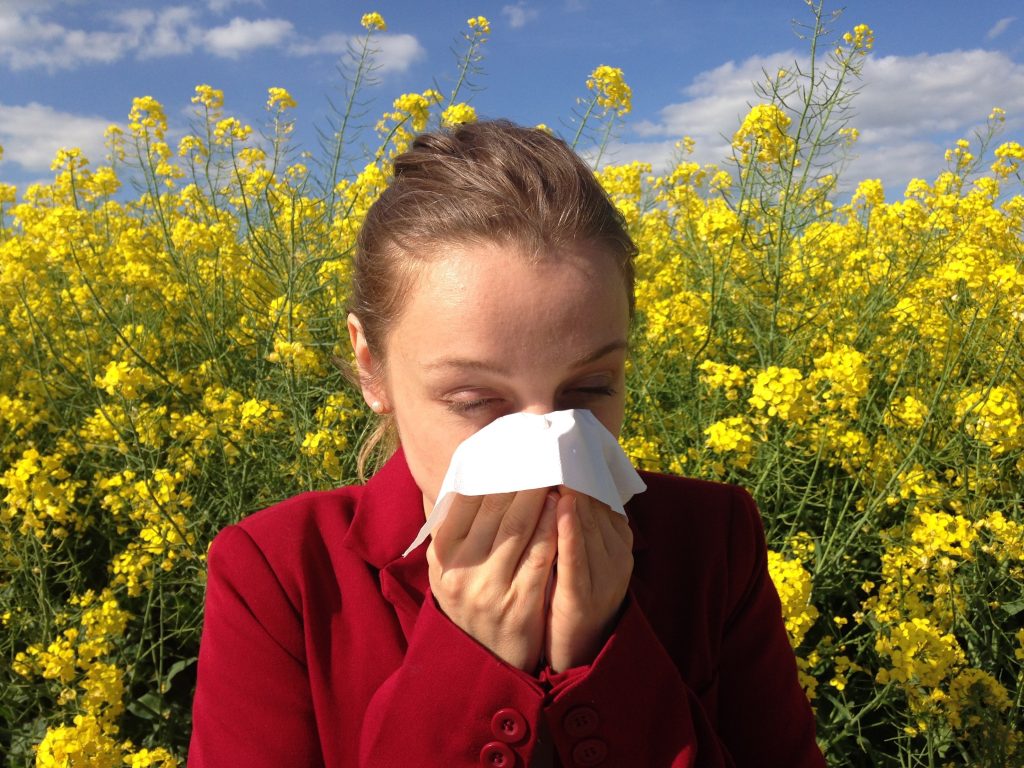
When most people hear the word “allergies,” they think of one thing: sneezing, congestion, and itchy eyes. And when they hear “ENT specialist,” they assume we only deal with what’s happening in the nose and sinuses.
That’s a misconception worth correcting.
Allergic reactions aren’t limited to your nasal passages. Your immune system doesn’t confine its overreactions to one part of your body. Allergies can show up on your skin just as aggressively as they show up in your sinuses — through hives, rashes, eczema flare-ups, contact dermatitis, and itching that ranges from annoying to debilitating. And in South Alabama, where we’re surrounded by pine forests, warm humidity, and a year-round parade of environmental triggers, skin-related allergic reactions are more common than many people realize.
At ENTCare, we treat the full spectrum of allergic disease — not just the sneezing and congestion. For patients throughout Dothan, Enterprise, Ozark, Eufaula, Troy, and the Wiregrass region, that means comprehensive allergy testing and treatment for reactions that affect your skin, your respiratory system, and everything in between.
Allergies Are a Whole-Body Problem — Not Just a Nose Problem
Here’s what’s actually happening when you have an allergic reaction: your immune system encounters a substance it has mistakenly identified as dangerous — pollen, pet dander, mold, a food protein, a chemical in tree sap — and it mounts an aggressive defense. It releases histamine and other inflammatory chemicals into your bloodstream, and those chemicals can affect virtually any tissue in your body.
Where the symptoms appear depends on the type of allergen, how you were exposed, and your individual immune response. Inhaled allergens tend to trigger nasal and respiratory symptoms. But allergens that contact your skin, enter your bloodstream through food, or circulate systemically through your body can produce reactions that have nothing to do with your sinuses — including hives, eczema, contact dermatitis, swelling, and widespread itching.
This is why many patients bounce between their primary care doctor, a dermatologist, and an allergist without ever getting a unified picture of what’s driving their symptoms. An ENT with allergy expertise sees the whole system. We understand how the same allergen that’s triggering your postnasal drip might also be behind the rash on your arms — because it’s all part of the same immune response.
Skin Allergies That Are Especially Common in South Alabama
Pine Sap and Rosin: The Southeast’s Signature Skin Irritant
If you live anywhere in Southeast Alabama, pine trees are part of your daily landscape. The longleaf pine forests that define this region are iconic — but for people with sensitivities, they can also be a persistent source of skin irritation.
Pine sap contains a substance called rosin (also known as colophony) that is one of the more common causes of allergic contact dermatitis. When you handle pine wood, brush against a sap-coated branch, carry firewood, or work with pine lumber, the sticky resin can trigger a delayed skin reaction — typically appearing one to three days after contact. The rash is usually red, itchy, and confined to the area that touched the sap, though it can spread with repeated or heavy exposure. Hands, forearms, and the face are the most commonly affected areas.
What makes pine-related skin allergies tricky is that rosin isn’t just in trees. It’s a component in hundreds of everyday products — adhesives, bandages, cosmetics, polishes, printing inks, soldering flux, and even some medications. People who develop a sensitivity to pine sap may find that their skin reacts to products they’ve used for years without issue, because the same chemical compound is present in both.
For residents of the Wiregrass area who work in forestry, landscaping, construction, or farming — or anyone who spends significant time outdoors around pine — this is a sensitivity worth identifying so it can be properly managed.
Environmental Contact Dermatitis
Pine isn’t the only plant-based skin irritant in South Alabama. Our region’s warm, humid climate supports an abundance of vegetation, and many plants, grasses, and weeds can cause contact reactions when they touch exposed skin. Bermuda grass — one of the most common lawn grasses in the Dothan area — is a well-known allergen that can cause itching, redness, and hives in sensitive individuals, particularly during mowing, yard work, or any activity involving direct skin contact with fresh-cut grass.
Mold is another major player. Southeast Alabama’s humidity provides ideal conditions for mold growth year-round, and mold spores can trigger skin reactions, including eczema flare-ups, in addition to the respiratory symptoms most people associate with mold exposure.
Hives (Urticaria): When Allergies Show Up Without Warning
Hives are raised, itchy welts that can appear anywhere on the body, often seemingly out of nowhere. They can be triggered by environmental allergens, foods, medications, insect stings, stress, heat, or exercise. In many cases, the specific trigger is difficult to identify without professional allergy testing.
Acute hives — a single episode or a few episodes — are common and usually resolve on their own or with antihistamines. But when hives recur regularly over six weeks or more, the condition is classified as chronic urticaria, and that’s a signal that something systematic is driving the immune response. Identifying the underlying allergen or trigger is essential to breaking the cycle.
Eczema and Allergic Dermatitis
Eczema, also called atopic dermatitis, is a chronic inflammatory skin condition characterized by dry, itchy, red patches that can crack, weep, and thicken over time. While eczema has a genetic component, environmental allergens frequently trigger or worsen flare-ups. Dust mites, pet dander, mold, and certain pollens are common culprits. Many patients with eczema also have allergic rhinitis or asthma — a connection known as the “atopic triad” — which underscores that these conditions share the same underlying immune dysfunction.
In South Alabama’s climate, where humidity fluctuates, mold thrives, and pollen seasons are extended, eczema patients often struggle more than those in drier regions. Identifying the specific environmental triggers through allergy testing can make a significant difference in managing flare-ups.
Food Allergies That Show Up on Your Skin
Food allergies are another category that patients rarely associate with an ENT practice. But food allergies can manifest as hives, eczema flare-ups, facial swelling, itching, and skin rashes — sometimes without any digestive symptoms at all. In the Southeast, where peanut and tree nut allergies are common, skin reactions from food sensitivities are something we see regularly. Food allergies can affect the nose, ears, throat, skin, gut, and lungs, making them one of the most under-recognized contributors to chronic symptoms across multiple body systems.
Why an ENT Specialist for Allergies? (Even Skin Allergies?)
This is the question we hear most often, and the answer is straightforward: ENT specialists with allergy training are uniquely positioned to evaluate and treat allergic disease because we see how allergies affect multiple systems at once.
A patient who comes to us with chronic sinus congestion may also mention recurring hives that they’ve been treating separately with a dermatologist. A patient with persistent post-nasal drip might also have eczema that flares every spring. A patient with ear infections might also break out in a rash after eating certain foods. These aren’t separate problems. They’re different expressions of the same allergic process — and treating them in isolation often means none of them get fully resolved.
At ENTCare, our approach to allergy care starts with comprehensive allergy testing that identifies your specific triggers — not just the ones causing nasal symptoms, but the full panel of environmental, plant, animal, mold, and food allergens that may be driving reactions throughout your body. Once we know what you’re reacting to, we can build a treatment plan that addresses all of your symptoms, not just the ones that brought you through the door.
What Allergy Testing Looks Like at ENTCare
Allergy testing has come a long way from the days of dozens of painful needle pricks up and down your back. Today’s skin prick testing is quick, minimally invasive, and highly accurate. A small amount of allergen extract is placed on the forearm, and the skin’s surface is gently pricked. If you’re sensitive to that allergen, a small raised bump — like a tiny mosquito bite — appears within about 15 to 20 minutes.
In a single session, we can test for dozens of common allergens, including regional tree pollens (pine, oak, pecan, hickory, and others prevalent in Southeast Alabama); grasses (Bermuda, Johnson, and orchard); weeds (ragweed, pigweed, and plantain); mold; dust mites; pet dander; and common food allergens. We’re not just identifying whether you’re allergic — we’re measuring how strongly you react, which helps us customize treatment to your specific level of sensitivity.
For patients who can’t undergo skin testing — due to severe skin conditions, certain medications, or a history of severe reactions — blood testing is available and provides reliable results, typically within a few days.
The testing itself is the starting point. The real value is in what comes next: a personalized treatment strategy that addresses your allergies, not a generic one-size-fits-all approach.
Treatment Options That Go Beyond Antihistamines
Over-the-counter antihistamines have their place, but they only mask symptoms. They don’t change how your immune system responds to allergens. For patients with persistent or multi-system allergic reactions — the kind that affect both your nose and your skin — a more comprehensive approach is often needed.
Allergen avoidance strategies are the first line of defense. Once we know your specific triggers, we can give you targeted guidance on reducing exposure. If pine rosin is a trigger, we can identify both the direct contact sources and the hidden product exposures you may not have considered. If dust mites are driving your eczema, environmental modifications in your home can make a measurable difference.
Immunotherapy (allergy shots) is the only treatment that addresses the root cause of allergies by gradually retraining your immune system to tolerate the substances that trigger your reactions. Over time, immunotherapy can reduce the severity of both respiratory and skin-related allergy symptoms, decrease your reliance on medications, and provide long-term relief that persists even after treatment is completed. For patients with multiple environmental allergies in our region, immunotherapy can be life-changing.
Targeted medical therapy goes beyond basic antihistamines. Depending on your symptoms, your ENT specialist may recommend prescription-strength nasal sprays, topical treatments for skin reactions, leukotriene modifiers, or other medications tailored to your specific allergy profile.
For patients with chronic hives or severe eczema that doesn’t respond to conventional treatment, newer options, including biologic therapies, are available. These advanced medications target specific components of the immune system to reduce chronic inflammation at its source.
Protecting Your Skin During South Alabama’s Allergy Season
Wear gloves and long sleeves when handling pine wood, doing yard work, or clearing brush. Direct skin contact with sap, grass, and plant material is the most common trigger for contact dermatitis in our region. A simple barrier makes a big difference.
Shower and change clothes immediately after outdoor work. Allergens cling to skin, hair, and clothing. The longer they sit on your skin, the more likely they are to provoke a reaction.
Keep your home environment controlled. HEPA air filters, dehumidifiers, and regular cleaning reduce indoor allergen loads. In Southeast Alabama’s humid climate, mold control is especially important for patients with skin allergies.
Moisturize daily. For eczema-prone patients, a good fragrance-free moisturizer applied after bathing helps maintain the skin barrier and reduces vulnerability to allergen penetration.
Check product labels for rosin and colophony. If you’ve developed a pine sensitivity, be aware that rosin is a common ingredient in adhesives, bandages, cosmetics, polishes, and even some medications. Knowing where it hides can help you avoid unexpected reactions.
Get tested. If you’re dealing with recurring skin reactions and you’re not sure what’s causing them, guessing costs you time and comfort. Professional allergy testing identifies the specific triggers so you can avoid them — or treat them — with precision.
Your Allergies Don’t Stop at Your Sinuses — Neither Do We
If you’ve been dealing with unexplained rashes, recurring hives, eczema that won’t quit, or skin reactions you can’t trace back to a cause, the answer may be an allergen that hasn’t been identified yet. And if you assumed an ENT practice only treats sinus problems, now you know differently.
At ENTCare, we provide comprehensive allergy testing and treatment for the full range of allergic conditions — nasal, respiratory, and skin-related — for patients throughout Dothan, Enterprise, Ozark, Eufaula, Troy, and communities across Houston County, Dale County, Henry County, and Southeast Alabama. Whether your allergies make you sneeze, make you itch, or both, we can identify the triggers and build a treatment plan that gives you real relief.
Call ENTCare today at 334-793-4788 or visit entcare.org to schedule an allergy evaluation. Your skin is talking. It’s time to listen.
Breathe easier. Feel better. Live without the itch.