
You’re taking your antihistamine every morning. You’re running the air purifier. You’re showering after yard work and keeping the windows shut. You’re doing everything right — and your allergies are still making you miserable.
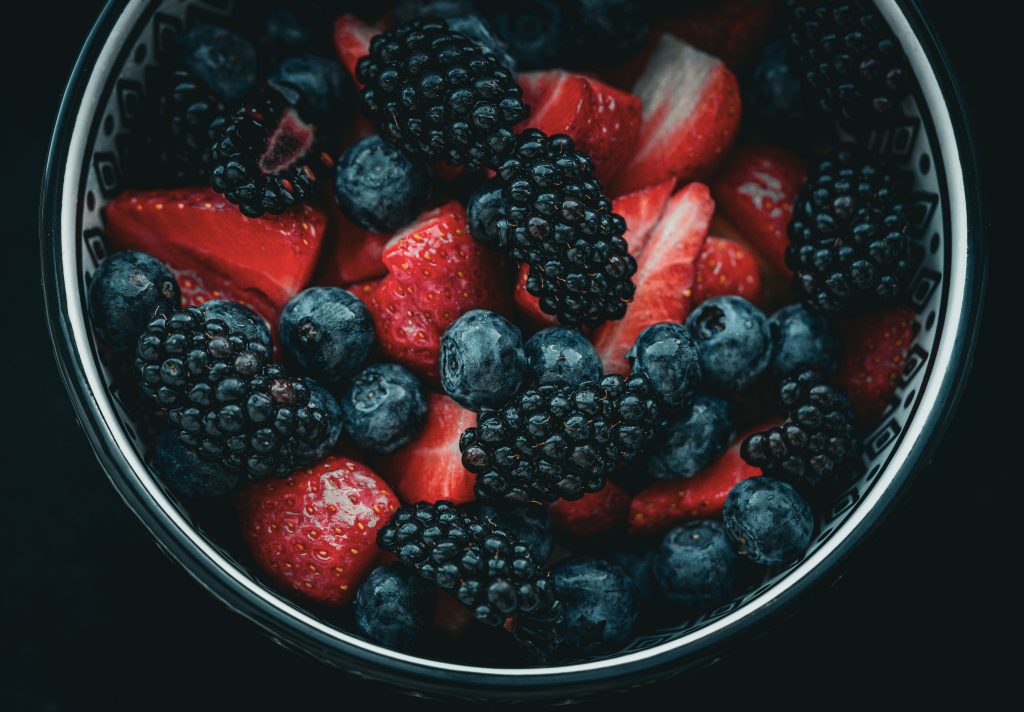
What if the thing making your allergies worse isn’t floating in the air? What if it’s sitting on your plate?
The relationship between diet and allergies is one of the most overlooked factors in allergy management. Most patients — and many primary care providers — focus exclusively on avoiding environmental triggers and managing symptoms with medication. But a growing body of research shows that what you eat can directly influence how severely your body reacts to allergens. Certain foods fuel the inflammatory processes that drive allergy symptoms, while others can help calm them down.
This isn’t about fad diets or miracle cures. It’s about understanding that your immune system doesn’t operate in a vacuum. It’s affected by everything you put into your body — and during allergy season in the Wiregrass region, when pollen counts are already pushing your system to its limits, what you eat can be the difference between manageable symptoms and full-blown misery.
At ENTCare, we help patients throughout Dothan, Enterprise, Ozark, Eufaula, Troy, and Southeast Alabama take a comprehensive approach to allergy management — and that includes understanding how diet fits into the picture.
The Histamine Bucket: Why Your Body Has a Tipping Point
To understand how food affects your allergies, you first need to understand histamine — and why your body has a threshold.
Histamine is the chemical your immune system releases when it encounters an allergen. It’s the reason your nose runs, your eyes water, your throat itches, and your sinuses swell. When you take an antihistamine, you’re blocking the effects of that chemical. But here’s what most people don’t realize: histamine doesn’t just come from your immune system’s reaction to pollen. It also comes from the food you eat.
Think of your body’s histamine tolerance like a bucket. Throughout the day, histamine pours in from multiple sources — environmental allergens, the foods you eat, bacteria in your gut, and even stress. Your body has an enzyme called diamine oxidase (DAO) that breaks down histamine and keeps the bucket from overflowing. As long as histamine is being broken down as fast as it’s being produced, you feel fine.
But when the bucket overflows — when the total histamine load exceeds your body’s ability to break it down — symptoms appear. And this is the critical insight: a high-histamine meal during allergy season can be the thing that pushes your bucket over the edge. The pollen already has it three-quarters full. That glass of red wine, aged cheese plate, or charcuterie board at dinner might be what sends it spilling over.
Foods That Can Make Your Allergies Worse
High-Histamine Foods
Certain foods are naturally high in histamine or trigger your body to release more of it. During allergy season, these are the foods most likely to amplify your symptoms. They include aged cheeses like parmesan, cheddar, blue cheese, and gouda. Fermented foods such as sauerkraut, kimchi, soy sauce, and vinegar. Cured and processed meats including salami, pepperoni, bacon, and deli meats. Alcohol — particularly red wine, beer, and champagne — is a triple threat because it contains histamine, triggers additional histamine release, and inhibits DAO, the enzyme that breaks histamine down. Smoked, dried, or canned fish also rank high. Even leftovers can become problematic, because histamine levels in food increase as it ages, meaning that last night’s dinner may carry a higher histamine load than when it was freshly prepared.
This doesn’t mean these foods are bad or that you need to avoid them permanently. But if you’re wondering why your allergies seem worse on certain days despite consistent medication use, what you ate in the previous 12 to 24 hours may be a contributing factor.
Pro-Inflammatory Foods
Allergies are fundamentally an inflammatory condition. Your immune system encounters an allergen, releases histamine and other inflammatory chemicals, and those chemicals cause the swelling, congestion, and irritation you experience. Anything that adds to the overall inflammatory load in your body makes it harder for your system to manage allergic reactions.
Research using the Dietary Inflammatory Index — a validated tool that scores diets based on their inflammatory potential — has found a positive association between pro-inflammatory diets and the prevalence of allergic rhinitis. In plain terms, people who eat more inflammatory foods tend to have more frequent and more severe allergy symptoms.
The usual suspects include refined sugars and high-fructose corn syrup, fried foods and trans fats, refined carbohydrates like white bread, pastries, and processed snack foods, processed meats, and excess omega-6 fatty acids found in many vegetable oils. These foods don’t directly release histamine, but they stoke the systemic inflammation that makes your immune system more reactive and your allergy symptoms more intense.
In the Wiregrass area, where comfort food traditions run deep and sweet tea flows freely, this is worth acknowledging honestly. Nobody’s telling you to give up everything you enjoy. But understanding that a diet heavy in fried foods, processed snacks, and sugary drinks is actively working against your allergy medication is information that can change how you approach the worst weeks of pollen season.
Alcohol: The Allergy Amplifier
Alcohol deserves special attention because it hits allergy sufferers from multiple angles. Beer and wine contain histamine from the fermentation process. Alcohol stimulates additional histamine release in your body. And alcohol inhibits DAO, the enzyme responsible for breaking histamine down — effectively slowing the drain on your histamine bucket while simultaneously pouring more in.
If you’ve ever noticed that your congestion, sneezing, or sinus pressure seems significantly worse the morning after a few drinks during allergy season, this is why. The alcohol didn’t give you allergies, but it turned up the volume on the reaction your body was already having.
Oral Allergy Syndrome: When Healthy Foods Trigger Allergic Reactions
Here’s one that surprises almost everyone: some people with pollen allergies experience allergic reactions when eating certain raw fruits, vegetables, and nuts. It’s called oral allergy syndrome (also known as pollen-food allergy syndrome), and it happens because the proteins in certain foods are structurally similar to the proteins in specific pollens. Your immune system can’t tell the difference, so it reacts to the apple in your hand the same way it reacts to the birch pollen in the air.
Symptoms typically include itching or tingling in the mouth, lips, and throat immediately after eating the trigger food. In most cases, symptoms are mild and confined to the mouth. But for some people, they can include lip and throat swelling or worsening of nasal allergy symptoms.
Common cross-reactions include grass pollen allergies triggering reactions to peaches, tomatoes, oranges, and melons. Tree pollen (particularly birch) can cross-react with apples, cherries, pears, carrots, celery, and hazelnuts. Ragweed pollen allergies may trigger reactions to bananas, melons, zucchini, and cucumbers.
The practical takeaway: cooking the offending food typically breaks down the protein responsible for the cross-reaction, allowing you to eat it without symptoms. So if raw apples make your mouth itch during tree pollen season, applesauce or baked apples may be fine. If you’re experiencing these reactions, mention it to your ENT specialist — it’s a clue about your specific pollen sensitivities.
Foods That Can Actually Help Your Allergies
The flip side of the diet-allergy connection is encouraging: just as certain foods can worsen your symptoms, others contain natural compounds that may help reduce inflammation and support a calmer immune response. These aren’t replacements for proper allergy treatment, but they can complement your medication and make a noticeable difference over time.
Quercetin-Rich Foods: Nature’s Antihistamine
Quercetin is a plant flavonoid that research suggests can stabilize mast cells — the immune cells that release histamine — and reduce the histamine response. It’s essentially a natural antihistamine built into certain foods. The richest sources include onions (particularly red onions), apples with the skin on, berries (blueberries, blackberries, and cranberries), broccoli, kale, and red grapes. Building meals around these foods during allergy season gives your body a steady supply of compounds that work with your immune system rather than against it.
Omega-3 Fatty Acids: The Anti-Inflammatory Foundation
Omega-3 fatty acids are among the most potent natural anti-inflammatories available through diet. Research has found that diets rich in omega-3s — particularly alpha-linolenic acid (ALA) and the long-chain fatty acids EPA and DHA — are associated with a decreased risk of allergy symptoms. Omega-3s help counterbalance the pro-inflammatory effects of omega-6 fatty acids, which are overrepresented in most American diets. The best sources include fatty fish like salmon, mackerel, and sardines, as well as flaxseed, chia seeds, and walnuts.
Vitamin C: More Than Just Cold Prevention
Vitamin C acts as a natural antihistamine and has been shown to help reduce allergic rhinitis symptoms, including nasal congestion, sneezing, and runny nose. Citrus fruits, bell peppers, strawberries, broccoli, and leafy greens like spinach and kale are all excellent sources. Unlike antihistamine medications that block histamine receptors, vitamin C helps break down histamine faster — effectively helping your body drain that histamine bucket more quickly.
Turmeric and Ginger: Anti-Inflammatory Powerhouses
Curcumin, the active compound in turmeric, has been studied for its anti-inflammatory properties across a wide range of conditions. Research has shown that curcumin can improve nasal airflow, reduce sneezing and stuffiness, and support immune function in allergy patients. Ginger similarly suppresses the production of inflammatory cytokines that drive allergic reactions. Both can be incorporated into cooking and smoothies, or consumed as teas. If using turmeric, pairing it with black pepper significantly increases the body’s ability to absorb curcumin.
Probiotics: The Gut-Immune Connection
Your gut plays a significant role in regulating your immune system, and a growing body of research connects gut health to allergic disease. Probiotics — the beneficial bacteria found in yogurt with live active cultures, kefir, and other fermented foods — can help regulate immune function and decrease the inflammatory response. Studies have shown that certain probiotic strains, including Lactobacillus casei, can reduce allergic episodes when consumed regularly. The irony here is that some fermented foods are also high in histamine, so the key is choosing lower-histamine probiotic sources like fresh yogurt and kefir over aged fermented products.
Practical Tips for Eating Smarter During Allergy Season
- Eat fresh. Histamine levels increase as food ages. Eating freshly prepared meals rather than leftovers, and choosing fresh fish over canned or smoked varieties, reduces your dietary histamine load.
- Cut back on alcohol during peak pollen weeks. You don’t have to quit entirely, but reducing consumption during the worst stretches of allergy season — late March through May in the Wiregrass — can make a noticeable difference.
- Swap inflammatory snacks for anti-inflammatory ones. Replace chips and cookies with berries, nuts (if tolerated), and fresh vegetables. Small substitutions add up over weeks of allergy season.
- Add quercetin-rich foods to your daily routine. An apple with the skin on, a handful of berries, onions in your dinner — these aren’t dramatic changes, but they provide a steady supply of natural antihistamine support.
- Cook the foods that bother you. If raw fruits or vegetables make your mouth itch during pollen season, cooking them typically eliminates the cross-reactive proteins. You don’t have to give up the foods you enjoy — just prepare them differently.
- Stay hydrated with water, not sweet tea. Proper hydration helps thin mucus and keeps nasal passages moist. But sugary drinks contribute to inflammation. Water, herbal teas, and ginger or turmeric teas are better choices during allergy season.
- Don’t eliminate entire food groups without guidance. Overly restrictive diets can create nutritional deficiencies and aren’t necessary for most allergy sufferers. The goal is strategic, sustainable modifications — not deprivation.
- Keep a food-symptom diary. For two to three weeks, track what you eat alongside your allergy symptoms. Patterns often emerge that reveal specific foods or meals that consistently precede your worst days. Bring that diary to your next ENT appointment — it’s valuable diagnostic information.
Diet Is a Piece of the Puzzle — Not the Whole Picture
It’s important to be clear about something: dietary changes alone will not cure your allergies. If you’re allergic to oak pollen, no amount of quercetin is going to stop your immune system from reacting when pollen counts spike. Allergies are an immune system condition, and they require proper medical evaluation and treatment.
What diet can do is reduce the background inflammation and histamine load that makes your allergies harder to manage. Think of it as lowering the water level in your histamine bucket so that when pollen season hits, there’s more room before it overflows. Your medication works better. Your symptoms are less severe. Your worst days aren’t quite as bad.
The most effective approach to allergy management combines proper diagnosis (knowing exactly what you’re allergic to), targeted medical treatment (the right medications for your specific triggers), environmental controls (reducing exposure at home and work), and lifestyle factors — including diet — that reduce your body’s overall inflammatory burden. When all four of those pieces are working together, the results are significantly better than any single approach on its own.
Get the Full Picture — Not Just the Dietary One
If you’ve been fighting allergy symptoms that don’t respond adequately to medication, or if you suspect that certain foods are making your reactions worse, comprehensive allergy testing is the logical next step. Knowing your specific triggers — both environmental and dietary — gives you the foundation for a treatment plan that actually addresses what’s driving your symptoms.
At ENTCare, we provide comprehensive allergy testing and treatment for patients throughout Dothan, Enterprise, Ozark, Eufaula, Troy, and communities across Houston County, Dale County, Henry County, and Southeast Alabama. Whether your allergies are triggered by Wiregrass pollen, something on your plate, or — most likely — a combination of both, we can help you identify the problem and build a plan that gives you real relief.
Call ENTCare today at 334-793-4788 or visit entcare.org to schedule an allergy evaluation. Your allergies have enough working against them. Make sure your dinner isn’t one of them.
Eat smarter. Breathe easier. Live better.